2026-10-08 · Marcus Thorne
Preparing Your Water Heater for Winter in North Texas
Preparing your water heater for winter in North Texas primarily involves ensuring it's operating efficiently and protecting it from potential cold-weather stress. While DeSoto experiences a humid subtropical climate with generally mild winters, occasional cold snaps can still put a strain on your water heater, especially if it's older or not properly maintained. The goal is to maximize efficiency, prevent sediment buildup, and insulate vulnerable components, which can extend your unit's lifespan and prevent inconvenient, often costly, issues like leaks. This proactive approach is particularly important for homes in areas like Downtown DeSoto and North DeSoto, where older housing stock might have water heaters that are more susceptible to winter-related problems.
Understand DeSoto's Winter Impact on Water Heaters
Even though North Texas winters are mild compared to northern states, the temperature drops can still affect your water heater. When outside temperatures dip, especially overnight, your water heater has to work harder to heat incoming colder water. This increased workload can accelerate wear and tear, consume more energy, and expose existing vulnerabilities like minor leaks or sediment buildup. For residents near landmarks like the DeSoto Recreation Center or Moseley Park, where homes vary in age and construction, understanding this local climate reality is key. The water entering your home from Dallas County's supply lines will be colder, forcing your unit to operate longer and more frequently, which can stress components like heating elements, thermostats, and even the tank itself. Neglecting maintenance during these periods can lead to sudden failures, often manifesting as a <a href="/services/water-heater-suddenly-leaking">sudden water heater leak</a> when you least expect it.
Essential Pre-Winter Maintenance Steps
To prepare your water heater for winter, start with a few key maintenance tasks. First, flush the tank annually to remove sediment buildup. Over time, minerals from DeSoto's water supply can accumulate at the bottom of your tank, reducing efficiency and creating hot spots that can corrode the tank lining. This sediment acts as an insulator, making your water heater work harder and longer to heat water, which is particularly inefficient during colder months. Second, inspect the anode rod. This sacrificial rod corrodes over time to protect the tank from rust. If it's significantly depleted, it's not doing its job, and your tank is at risk. Replacing a worn anode rod can significantly extend your water heater's life. Finally, check for any visible leaks around pipes, valves, and the tank itself. Even a small drip can worsen under increased pressure and temperature fluctuations. If you notice any moisture, especially around the <a href="/services/water-heater-leaking-from-bottom">bottom of the water heater</a>, it's critical to address it promptly.
Insulating Your Water Heater and Pipes
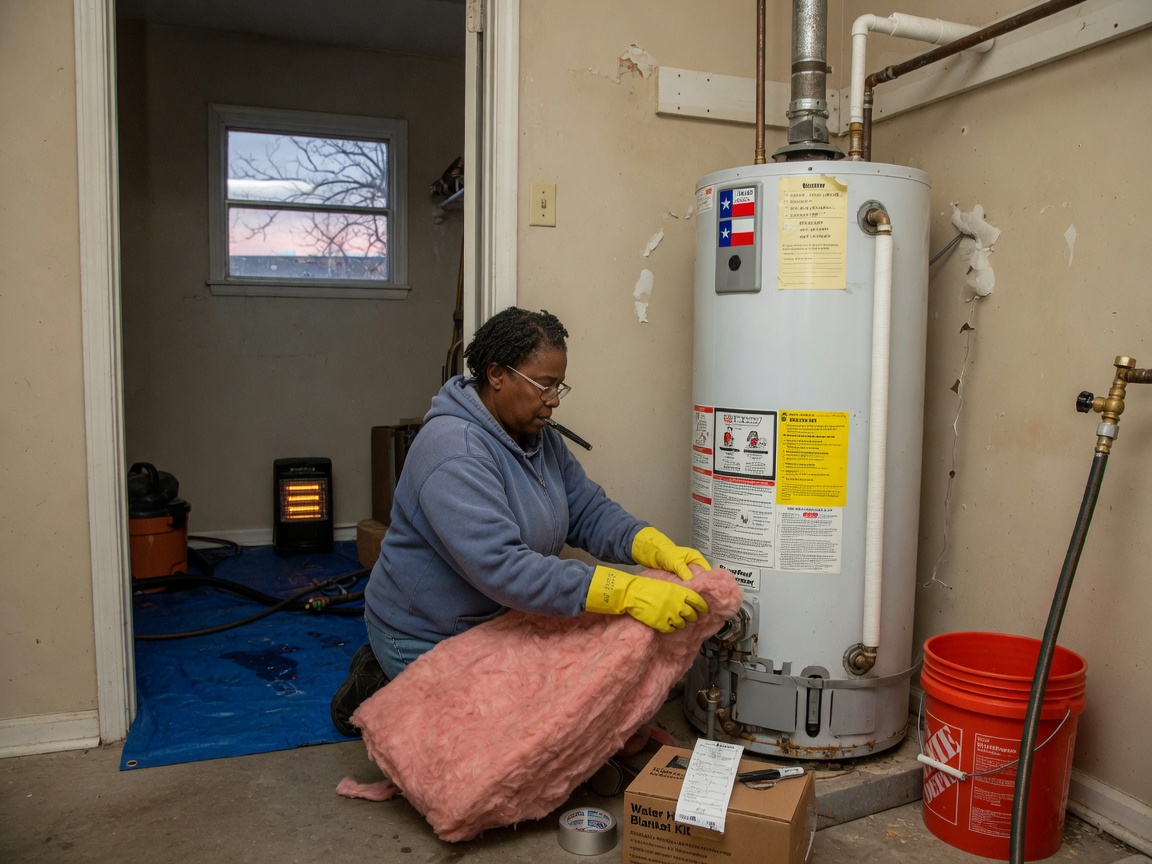
Proper insulation is one of the most effective ways to boost your water heater's efficiency during winter. For older units, or those located in unheated spaces like garages or utility closets common in homes across DeSoto, adding an insulation blanket can reduce standby heat loss by 25–45%. This means your water heater won't have to cycle on as frequently to maintain water temperature, saving energy and reducing wear. Additionally, insulating the first 6 feet of hot and cold water pipes connected to the water heater can further minimize heat loss as water travels through your home. Use pre-slit foam pipe insulation, which is inexpensive and easy to install. This simple step is especially beneficial in colder areas of your home, ensuring that the warm water reaches your faucets with less temperature drop, improving comfort and efficiency during those cooler mornings.
Setting the Right Temperature
Adjusting your water heater's temperature setting can also play a role in winter preparation. While it might seem counterintuitive to lower the temperature when it's cold outside, maintaining the water temperature at 120°F (about medium setting) is generally recommended for both safety and efficiency. Higher temperatures not only increase the risk of scalding but also accelerate sediment buildup and corrosion, which can be exacerbated by the increased workload in winter. If you've previously set your water heater higher, consider dialing it back. This small adjustment can reduce energy consumption without compromising comfort for most household needs. It also reduces the stress on the heating elements and tank, potentially preventing issues that could lead to a <a href="/services/water-heater-tank-leak-repair">water heater tank leak repair</a> down the line.
Recognizing Signs of Trouble and Emergency Preparedness
Even with proper preparation, issues can arise. Be vigilant for signs of trouble, especially as temperatures drop. These include:
- Reduced hot water supply: If your hot water runs out faster than usual, it could indicate a failing heating element or excessive sediment.
- Unusual noises: Popping, rumbling, or banging sounds often point to sediment buildup or other internal issues.
- Visible leaks: Any drips or puddles around the unit, no matter how small, warrant immediate attention. For specific guidance, refer to our article on <a href="/blog/step-by-step-guide-to-temporarily-stopping-a-water-heater-leak">how to temporarily stop a water heater leak</a>.
- Rusty or discolored water: This can be a sign of internal tank corrosion, indicating your water heater is nearing the end of its life.
Knowing how to shut off your water heater's water supply and power in an emergency can prevent extensive damage. Locate the cold water shut-off valve on the pipe leading into the water heater and the gas supply valve (for gas heaters) or the circuit breaker (for electric heaters).